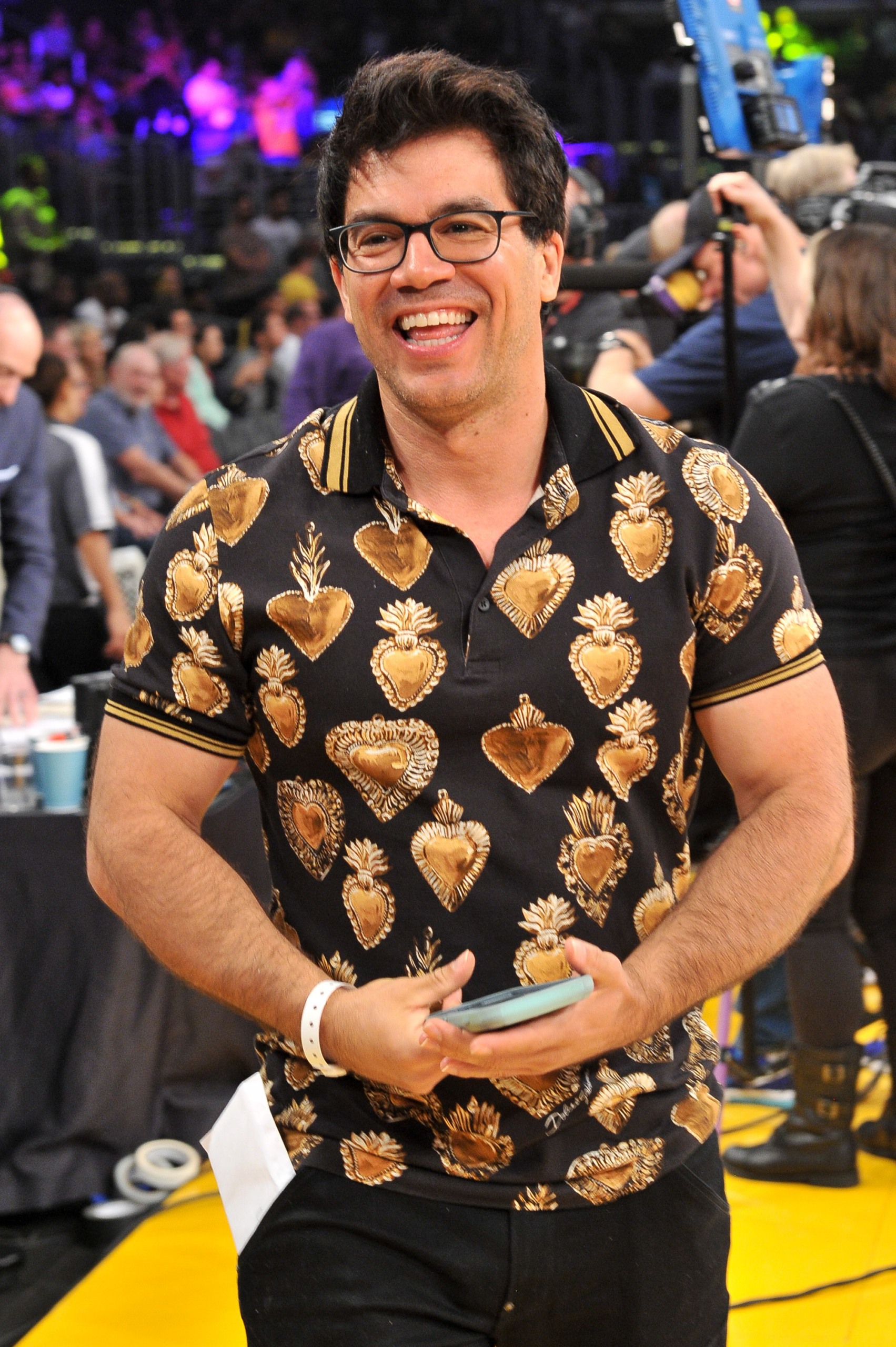
The feds are catching up with Tai Lopez, a self-help guru who created a doomed retail empire of faded brands like RadioShack and Pier 1 Imports — squandering the retirement and college savings funds of hundreds of small investors, according to a report.
The FBI is interviewing aggrieved investors in Retail Ecommerce Ventures, or REV — a defunct company that had scooped up a slew of ailing retail brands during the pandemic — as part of a criminal probe into allegations that Lopez and his business partners ran the company like a Ponzi scheme, according to a Wall Street Journal report. No criminal charges have been filed.
Lopez is in settlement talks with the Securities and Exchange Commission six months after the agency leveled civil fraud allegations against Lopez and his business partners, Alex Mehr and Maya Rose Burkenroad, according to court papers.
It’s unclear whether the three defendants will be on the hook for the $112 million they allegedly swindled from investors, according to the SEC — but they may still face criminal charges even after a settlement.
Attorneys for Lopez, Mehr and Burkenroad did not immediately respond to requests for comment. The FBI declined to comment.
Lopez has a massive social media following and frequently offers financial and self-help advice to his followers. Mehr said he worked in “risk and safety management of NASA’s space exploration missions” prior to teaming up with Lopez in 2019.
Burkenroad is Lopez’s cousin and was the president of REV.
Together they started buying bankrupt retailers in 2020, including Linens ‘N Things, Modell’s Sporting Goods, Stein Mart and the Franklin Mint with the idea that they could turn them into thriving e-commerce businesses.
REV’s rapid expansion left it saddled with debt and little cash flow, according to the SEC lawsuit.
But it hardly crimped the free spending lifestyle of Lopez and Mehr, who posted photos on social media of themselves traveling by private jet.
Lopez has posted photos of lavish parties he’s hosted at a Beverly Hills mansion he rented. He’s also shown off rented Ferraris and Lamborghinis, sharing his rags-to-riches story — he grew up in a mobile home in North Carolina — to lure potential investors.
“I’ve never worked for a company promising to pay investors 20% and chartering jets and flying all over the country,” one former REV employee told The Post.
The 20% returns are also referred to in the SEC complaint.
Another employee told The Post, “We have been trying to get someone to expose Tai Lopez and his gang of fraudsters for a long time.”
REV’s investors found out about the alleged swindling the hard way – only after they’d lost their investments.
“Lopez seemed credible,” Nelson Rowe of New Iberia, La., an 82-year-old retired real-estate broker who invested $300,000, told The Journal. “The story sounded so good. They had all these brands.”
Nelson and other investors were promised 20% returns on their investments after one year, according to the report.
A construction sales executive, Joseph Bertao of Santa Maria, Calif. Invested $350,000 in REV after attending an investor meeting at a Los Angeles hotel where he was told “Give us as much money as you can. These deals are poppin’ off and we can’t get them fast enough,” he told The Journal.
Another investor, John Melton, invested $500,000 in REV, but was quickly ghosted by Lopez who stopped responding to texts when Melton pressed him on whether his investment was “safe,” he told The Journal.
An Illinois grandfather, Sean Murphy, invested $175,000 in REV. In return he received a $10,000 Pier 1 gift card and monthly checks of about $1,000 for about two years, he told The Journal.
But payments from small investors like him were used to pay others – until the checks stopped coming and REV was taken over by some of its creditors, according to the report.
Murphy had earmarked his savings to pay for his two sons’ college education.
Altogether, REV raised more than $230 million from 660 investors nationwide, including $112 million it allegedly got “through a series of fraudulent securities offerings in the eight retail brands,” according to the SEC complaint.
The Post has sought comment from the SEC.
A prolific influencer about financial advice, Lopez never addressed REV’s demise on his social media accounts.
On Tuesday, he posted on his Instagram account, “Only make money with things that follow my 10-10-10 rule. They have to last for 10 years, no quick fad businesses. They have to be able to do at least 10 million a year. They have to take only 10 units of brain damage. (After 10 months).”