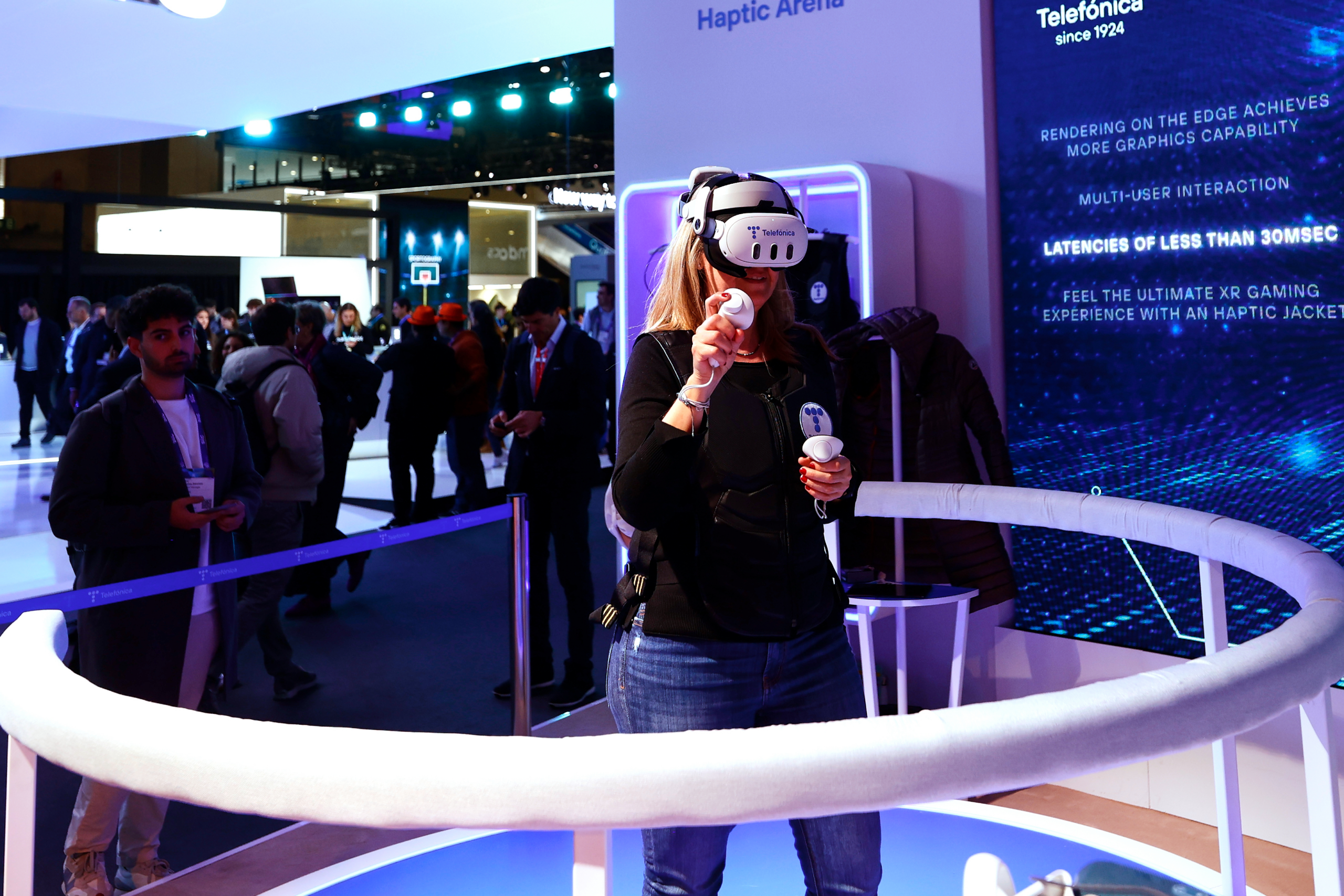
Meta is preparing to cut about 1,500 employees from its Reality Labs division — roughly 10% of the unit’s 15,000-person workforce — as early as this week as the company pivots hard toward artificial intelligence.
The cuts are expected to hit teams working on virtual-reality headsets and Meta’s VR-based social network, even as executives pour billions into AI research, data centers and smart-glasses development, according to the New York Times.
Bosworth has called an all-hands meeting for Wednesday and urged employees to attend in person, describing it internally as the “most important” meeting of the year, people familiar with the message told Business Insider.
Reality Labs, which employs roughly 15,000 people, has been a persistent drag on Meta’s finances, racking up more than $70 billion in losses since 2020 as consumer demand for virtual-reality headsets has lagged.
The looming layoffs come as CEO Mark Zuckerberg has ordered top executives to rein in 2026 budgets while he pours tens of billions of dollars into artificial intelligence, including expanded funding for Meta’s skunkworks TBD Lab, which is tasked with building what he has described as “superintelligence.”
To staff the effort, Meta has been handing out lavish compensation packages to lure top AI researchers and engineers, while also striking costly deals to accelerate its ambitions.
In 2025, the company invested $14.3 billion in Scale AI and brought on its chief executive, Alexandr Wang, as part of a broader reset of Meta’s AI strategy.
Meta also made a splashy bet on AI late last year with its more than $2 billion acquisition of Manus, a fast-growing AI agent startup.
Meta has also overhauled its employee review and bonus system, unveiling a new performance program called Checkpoint that sharply increases payouts for top performers, according to internal documents obtained by Business Insider.
Under the new system, a small group of standout employees will be eligible for bonuses worth up to 300% of their base payout, a dramatic escalation designed to reward what the company calls “truly exceptional impact.”
The Checkpoint program collapses Meta’s sprawling review process into four performance tiers, with roughly 20% of employees labeled “Outstanding” and eligible for double their base bonus, while about 70% are expected to land in an “Excellent” category with a 115% multiplier.
Workers deemed to “Not Meet Expectations” will receive no bonus at all, reinforcing a sharper performance curve as Meta tightens standards across the company.
The changes, which take effect in mid-2026, follow Zuckerberg’s push to harden Meta’s performance culture after a year of layoffs and internal pressure to do more with fewer people.
The company has said the new system is meant to reduce bureaucracy and free up time, but the timing has fueled anxiety among employees as Meta simultaneously cuts jobs and signals that pay, promotions and survival will increasingly hinge on measurable impact.
The Post has sought comment from Meta.