During a recent interview, President Trump appeared to forget about the $2,000 checks he promised to send to most Americans using tariff revenue.
He quickly backpedaled, though this time he said the checks would probably be sent out toward the end of the year – after earlier vowing to send them ahead of the 2026 midterm elections.
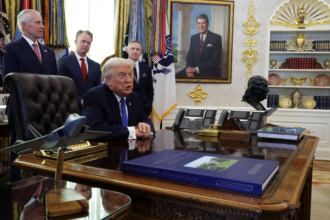
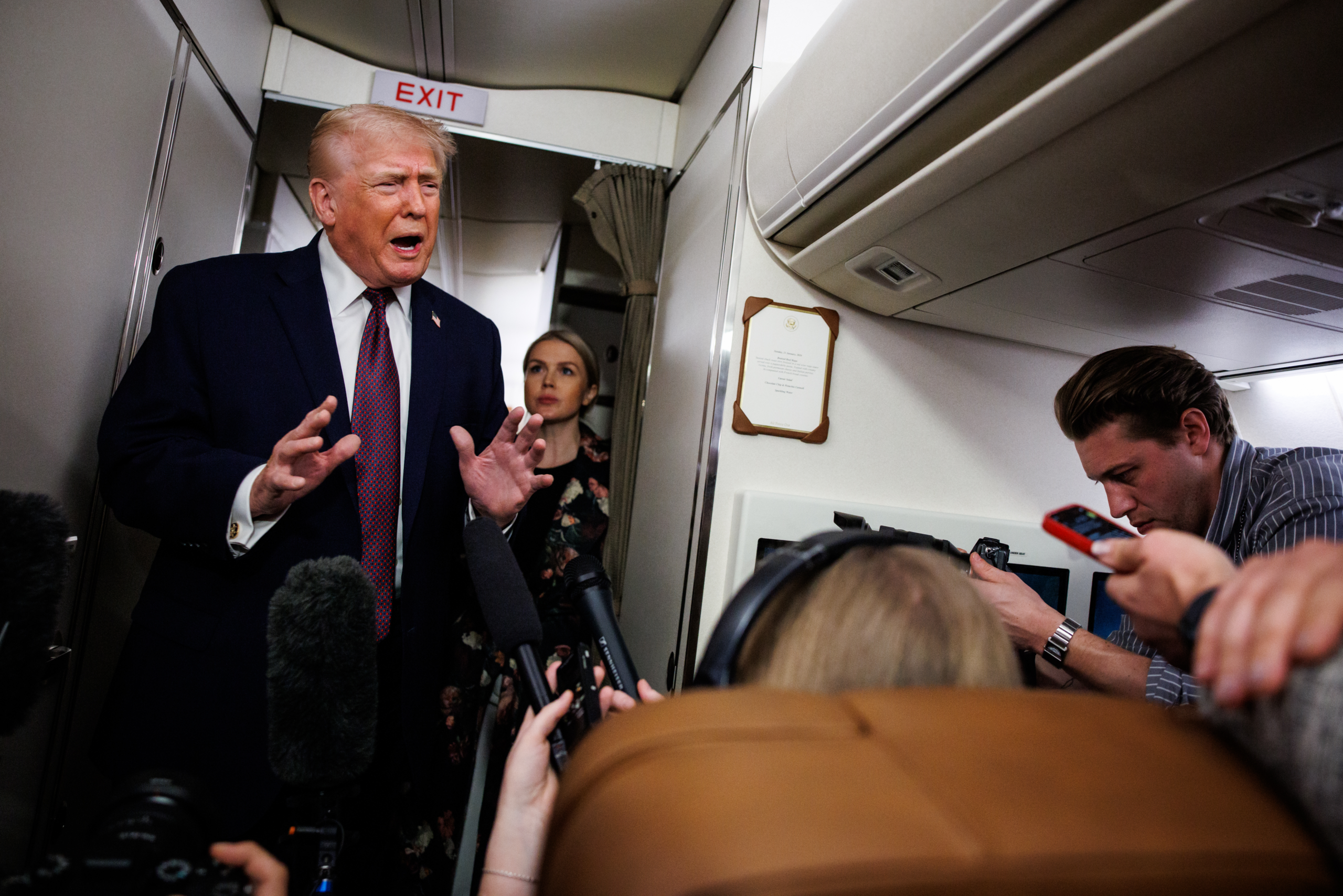
“You’ve promised $2,000 checks to Americans based off of your tariff revenues,” New York Times White House correspondent Katie Rogers said during a two-hour interview with Trump and other Times reporters in the Oval Office last week. “When can –”
Trump cut her off and asked, “I did do that? When did I do that?”
He then clarified that he was thinking of the $1,776 bonus, which was sent to nearly 1.5 million service members ahead of the holiday season, according to the US Department of War.
“When will those Americans get those checks?” Times reporter Tyler Pager asked again.
“Well, I am going to,” Trump said. “The tariff money is so substantial that’s coming in, that I’ll be able to do 2,000 sometime, I would say, toward the end of the year.”
The White House did not respond to inquiries about whether the administration is currently working on the checks and if it has a planned date for the checks to be sent out.
“President Trump’s tariffs are set to raise trillions in revenue for the federal government, and the administration is committed to putting that money to good use for the American people,” a White House official told The Post.
Last year, the president vowed to issue the payments to middle- and low-income Americans sometime before the 2026 midterms – even as some GOPers questioned how the White House would get sufficient funds for the payouts.
It would cost the government an estimated $600 billion to send the checks to the majority of Americans – twice the revenue expected from tariffs, according to the nonprofit Committee for a Responsible Federal Budget.
As of Sept. 30, the steep tariffs Trump imposed in April had raised $90 billion, according to data from US Customs and Border Patrol. That leaves a substantial gap in funding.
The Supreme Court is expected to rule on the legality of the tariffs this week. If it overturn the levies, that could force the government to refund all of its related tariff revenue.
In a Truth Social post in November, Trump claimed tariff revenues will soon “skyrocket” – helping to pay for the checks.
Americans have not yet felt “the full benefit of the Tariffs,” he added.
In March 2020, Trump signed off on congressionally-approved COVID stimulus checks.
Democrats campaigned on promises of more stimulus checks, which then-President Joe Biden sent out in 2021. Many economists have blamed those checks for helping to spike inflation.
Republican lawmakers have raised concerns that Trump’s tariff dividends would have a similar effect on inflation, which has remained stubbornly high – though it cooled to 2.7% in a November report that may have been distorted by the government shutdown.
Treasury Secretary Scott Bessent has appeared concerned about the potential inflationary effects of tariff checks – urging Americans not to spend the windfall if it arrives.
“Maybe we could persuade Americans to save that,” he said during a Fox News interview last year.