
Netflix agreed to acquire Warner Bros. Discovery’s studio and streaming business in a $72 billion mega merger — creating a Hollywood colossus that owns everything from “Stranger Things” to the “Harry Potter” and “Batman” franchises.
Under the monster deal, Netflix — home of hits like “Squid Game” and “Bridgerton” — would add to its offerings a slew of iconic series old and new, from “White Lotus” and “Succesion” to “Game of Thrones,” “The Big Bang Theory” and “Friends.”
Netflix’s No. 1 platform of 300 million subscribers would swell to 400 million by adding Warner Bros. Discovery’s No. 3-ranked HBO Max service. Netflix and HBO Max will continue to be run separately, but Netflix said in a statement that the deal would bring “more choice and greater value” to customers.
The company didn’t clarify whether it plans to offer any Netflix-HBO Max bundles, or whether the deal would lead to any price changes for streaming subscribers.
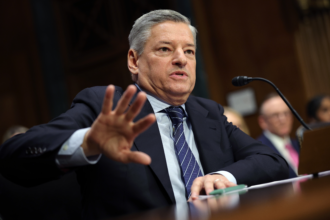
“Together, we can give audiences more of what they love and help define the next century of storytelling,” Ted Sarandos, co-chief executive of Netflix, said in a statement.
Hanna Howard, research analyst at Gabelli Funds, said in a note on Friday that Netfli could potentially “follow Disney’s model, which runs both Disney+ and Hulu combined, but the two streaming apps are also available separately, with Disney offering the subscription as a bundle.”
Howard said she expects there will be increased flexibility and bundle offerings if the deal goes through as Netflix seeks to escape regulatory scrutiny.
Netflix will also assume WBD’s other brands and properties, like DC Comics and a slew of video games, “which will give Netflix a way to compete against other large players, i.e., Disney’s franchise,” Howard added.
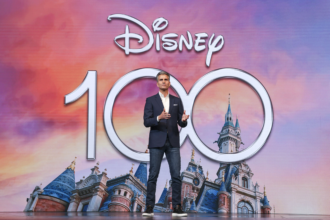
Along with major film studios and its namesake theme parks, Disney also owns several streaming services, including Hulu, Disney+ and ESPN+.
Netflix’s proposal to take over the Warner Bros. film and TV studios, HBO and HBO Max — valued at $27.75 per share — is set to close in the third quarter of 2026 after WBD spins off Discovery Global into a new publicly-traded company.
The total value of the deal, which would combine two of the world’s largest streaming services, is $82.7 billion, including debt.
Paramount, Comcast and Netflix all submitted sweetened offers for the company this week, including a nearly all-cash proposal from Netflix.
Following reports the media giant was leaning toward Netflix, Paramount sent two letters to WBD’s lawyers and CEO David Zaslav questioning the “fairness and adequacy” of the auction.
In one letter, Paramount bashed Netflix’s bid, arguing a deal with the streaming giant would likely “never close” because of regulatory challenges in the US and overseas, according to the Wall Street Journal.
In another missive, it accused WBD of abandoning “the semblance and reality of a fair transaction process, thereby abdicating its duties to stockholders,” Paramount’s attorneys at Quinn Emanuel wrote, according to a copy of the letter obtained by CNBC.
In a response to The Post on Thursday, WBD said the company has “robustly complied” with fiduciary obligations.
The Post previously reported on mounting speculation that WBD was favoring a deal with Netflix, as insiders noted Sarandos is said to be close with WBD’s Zaslav.
But even with a Netflix deal in the works, the billionaire Ellison family at Paramount Skydance is planning to plead directly with WBD shareholders – arguing the tie-up would be halted by regulators, sources told The Post earlier this week.
Senior White House officials have already met to discuss antitrust concerns about a potential WBD-Netflix merger, The Post reported.
A group of anonymous film producers on Thursday sent a letter to Congress with “grave concerns” about a Netflix deal, arguing “Netflix views any time spent watching a movie in a theater as time not spent on their platform,” according to Variety.
But the deal includes a promise from Netflix to continue theatrical movie releases for WBD – a big change for the streaming giant.
The streaming giant has been planning to argue there is no evidence that a deal with the HBO Max owner would reduce competition or harm consumers, since they could offer a Netflix and HBO Max bundle that would ultimately cost less, a source familiar with the matter told the Journal.
Last week, Warner Bros. asked bidders to submit improved offers by Dec. 1, after rejecting a $24-a-share bid from Paramount in October.
WBD initially announced it was exploring options for a sale in October.
If approved, the Netflix deal comes close on the heels of an $8.4 billion merger of Skydance Media and Paramount Global in July, which was approved after months of back and forth over antitrust and political concerns.
The FCC finally greenlit the deal after Skydance vowed to scrap DEI at Paramount and appoint a media bias ombudsman at CBS News.